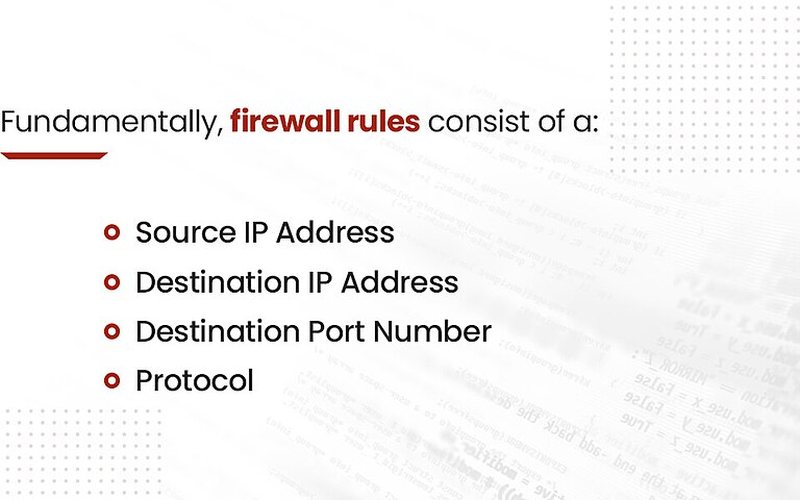
NetFlow and its standardized successor IPFIX export flow records describing network conversations — source and destination addresses, ports, protocol, byte and packet counts, timestamps, and increasingly application identifiers. Flow data answers questions that SNMP interface counters cannot: who is consuming bandwidth, which applications traverse the network, where traffic originates during security incidents, and whether WAN upgrades are justified by actual usage patterns rather than utilization peaks alone. Traffic engineering without flow visibility is guesswork dressed as architecture.
Cisco originated NetFlow; IPFIX standardized the export format as RFC 7011. Most vendors support IPFIX or proprietary equivalents — sFlow samples packets on switches, J-Flow on Juniper, NetStream on Huawei. Despite format differences, collectors normalize records into common schemas for analysis. The operational pattern is consistent: enable export on observation points, transport flows to collectors, aggregate and retain for analysis, and integrate with security and capacity workflows.
Flow Record Contents
A flow record represents a unidirectional sequence of packets sharing common header fields within a timeout window. The five-tuple — source IP, destination IP, source port, destination port, protocol — traditionally defines flow boundaries. Modern templates add ingress and egress interfaces, VLAN IDs, DSCP values, BGP next-hop, MPLS labels, and application identification from NBAR or similar deep inspection engines on capable routers.
Flow aging closes records when traffic stops or timers expire. Active timeout exports in-progress long flows periodically so collectors see sustained connections like video streams. Inactive timeout closes flows after silence. Misconfigured timeouts produce either excessive record volume from too-frequent active exports or missing data from flows that outlive inactive timers without refresh. Tune timeouts based on traffic characteristics — data center east-west flows may need longer inactive timers than internet-bound flows.
Export Configuration
Enable flow export on routers at network boundaries — WAN edges, data center cores, internet gateways — and critical aggregation points. Exporting from every access switch generates enormous volume with diminishing analytical value unless hunting microsegmentation violations or investigating specific access-layer incidents. Sample rates on high-speed interfaces reduce export volume while maintaining statistical accuracy for capacity planning. A ten-thousand-to-one sample rate on a ten-gigabit link still captures representative traffic patterns over time.
Transport flows to collectors via a dedicated management network or in-band UDP to collector IP addresses. Protect collector reachability — flow export is unidirectional UDP with no authentication in traditional implementations, making spoofed flow injection theoretically possible on reachable collector ports. Restrict source IPs at the collector to known exporter addresses. Modern IPFIX supports SCTP for reliable delivery where UDP loss is unacceptable.
Collector Architecture
Flow collectors range from open-source tools like ntopng and Elastiflow to enterprise platforms from Kentik, Plixer, and Cisco Stealthwatch. Size collectors for peak flow records per second during traffic spikes, not average rates. Storage retention depends on compliance and analysis needs — thirty days for operational troubleshooting, one year or more for security baseline and capacity trending. Raw flow storage consumes terabytes quickly; aggregation into hourly summaries for long-term retention reduces cost while preserving trend visibility.
Integrate flow data with SIEM platforms for security correlation. A workstation suddenly communicating with known command-and-control IP addresses appears in flow records before IDS signatures fire. Baseline normal east-west traffic patterns per subnet so anomalies during lateral movement investigations stand out. Flow data provides historical evidence answering when communication started and how much data transferred — critical for breach scope assessment.
Traffic Engineering Applications
Top-N talker reports justify WAN bandwidth upgrades to finance teams with data showing specific applications and sites consuming capacity. Identify bulk data transfers scheduled during business hours that should move to overnight windows. Measure application performance impact of path changes by comparing flow latency metrics before and after routing policy adjustments. Validate QoS marking effectiveness by examining DSCP distributions and per-class byte counts through network segments.
Multicast flow analysis reveals IPTV and market data distribution efficiency. DDoS detection uses flow rate anomalies — sudden millions of small flows to a single destination triggers mitigation workflows. Service provider environments use flow data for billing, peering ratio analysis, and customer traffic profiling. Enterprise teams focus on application visibility, security investigation, and capacity planning from the same exported records.
Operational Best Practices
Document every exporter with its location, exported interfaces, template configuration, and collector destination. Verify flow continuity after network changes — ACL changes and routing updates can silently block export UDP without affecting forwarded traffic. Monitor collector ingestion rates for drops indicating undersized storage or processing capacity. Align flow timestamps with NTP across exporters and collectors for accurate correlation with syslog and authentication events during incident timelines.
NetFlow transforms network operations from reactive troubleshooting to proactive engineering. The investment in export configuration, collector infrastructure, and analyst training pays dividends in every capacity review, security investigation, and application migration that requires knowing what actually traverses the wires rather than what architecture diagrams assume.
Privacy and Compliance
Flow records contain communication metadata subject to data retention regulations. Define retention periods aligned with legal requirements — GDPR may limit how long source-destination communication patterns are stored for non-security purposes. Anonymize or aggregate flow records for long-term storage, preserving individual flow detail only for the operational window security and capacity teams require.
Restrict flow data access to authorized network and security personnel. Flow records reveal which internal hosts communicate with external services, exposing organizational behavior patterns that require protection. Audit access to flow analysis platforms with the same rigor applied to authentication logs and financial systems.
Cloud flow logs from VPC flow logging, Azure NSG flow logs, and equivalent services supplement on-premises NetFlow for hybrid visibility. Normalize cloud flow formats into the same analysis platform as hardware-exported flows for unified top-talker reports spanning on-premises and cloud segments. Cloud flow logging incurs storage costs that scale with volume — apply the same sampling discipline used on hardware exporters.
Analyst Workflow Integration
Train network and security analysts on flow analysis workflows alongside SIEM and packet capture skills. Flow analysis answers who-talks-to-whom questions faster than packet capture for volumetric investigation but lacks payload visibility for content inspection. Define when analysts escalate from flow to capture to application logs for complete incident reconstruction.
Build saved flow queries for recurring investigations: top external destinations by bytes from finance VLAN, east-west traffic between PCI and non-PCI segments, DNS query volumes by source during malware investigations. Saved queries accelerate response during incidents when time pressure discourages building analysis from scratch.